

Genetic engineering
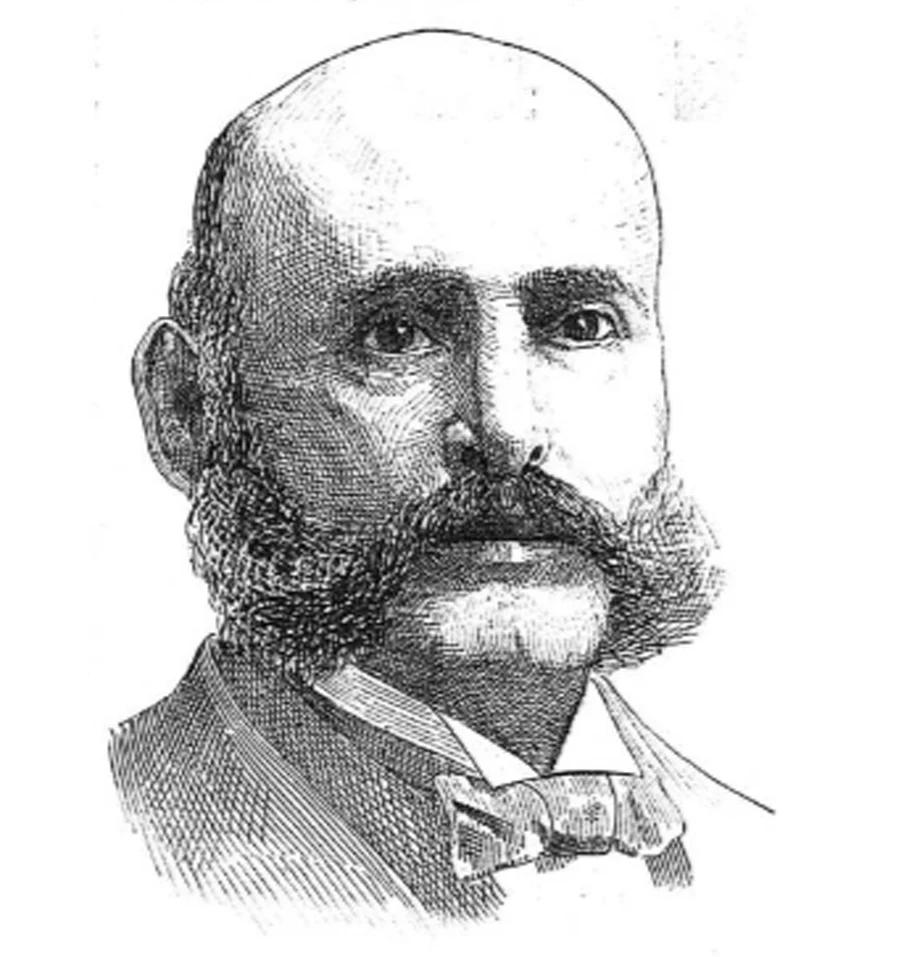
How can we not be impressed by the genius of our predecessors? Take Karl Weigert, for example. A pathologist in the late 19th century, he was a researcher in the truest sense of the word. His love of anatomic pathology motivated him to take an interest in tissue staining techniques. Let's read together a report from La presse Médicale dated November 16, 1904
"In histology, his name will remain associated with methods of staining tissues and microorganisms.... Another area of research that fascinated Weigert until the end of his career was the study of ‘neuroglia’; from 1882 to 1895, he focused his efforts on this subject, not only on the structure of the interstitial matrix of the central nervous system, but also on the methods of staining this tissue. We know what encouraging results this eminent technician finally achieved after so much effort. "
This refers to his recipe for ferric hematoxylin, Weigert's hematoxylin, which also stains certain phospholipids, allowing the myelin sheaths to be visualized. It is also used to stain tissues that have been stored in alcohol for a long time and would not otherwise stain. The black or grayish nuclear staining is also highly suitable for photographs. Another quote from La Presse Médicale sheds light on his life as the man did not stop there, and the list of accomplishments in his all-too-short life also includes:
"Among his ‘studies of staining methods,’ we must mention: his early research on the staining of microbes, dating back to 1871; his staining of microbes with aniline dyes (1875); his method for staining fibrin (1886), which produces such elegant figures; his staining of elastic fibers in tissues (1898), which enabled him to completely revise the pathology of blood vessels and the lungs."
The acid resistance of his hematoxylin makes it essential in methods that contain it. For example, a Van Gieson stain containing picric acid will discolor nuclei stained with alum-mordanted hematoxylin, but not those stained with Weigert's ferric hematoxylin.
He was the cousin of Nobel Prize winner Paul Erlich, who, I like to imagine, drew inspiration from his work on aniline dyes to give us gentian violet, still widely used today in microbiology. Genius clearly ran in the family!
I admire such a life dedicated to the advancement of science, which allows us, more than 100 years later, to continue to benefit from the fruits of his labor!
1. Who was Karl Weigert?
Karl Weigert was a late 19th-century medical pathologist, recognized as a true researcher deeply passionate about anatomopathology and tissue-staining techniques.
2. Why is his work in histology considered remarkable?
According to La Presse Médicale (November 16, 1904), his name remains associated with important staining methods for tissues and microorganisms. He devoted many years to studying neuroglia and developing staining techniques for this tissue.
3. What was one of his major achievements in staining techniques?
He is best known for developing ferric hematoxylin, also called Weigert’s hematoxylin, which stains certain phospholipids and allows visualization of myelin sheaths.
4. What are the uses of Weigert’s hematoxylin?
It is especially useful for:
- Staining myelin sheaths
- Staining tissues that have been stored in alcohol for long periods
- Producing black or grayish nuclear staining, which photographs particularly well
5. What other significant work did he accomplish?
His contributions include:
- Early studies on microbial staining (1871)
- Staining microbes with aniline dyes (1875)
- A fibrin staining method (1886), known for its elegant results
- A staining technique for elastic fibers (1898), which allowed a full reassessment of vascular and pulmonary pathology
6. Why is Weigert’s hematoxylin essential in certain staining methods?
Its resistance to acids makes it indispensable in acid-containing protocols. For example, in the Van Gieson stain (which contains picric acid), nuclei stained with alum-mordanted hematoxylin are decolorized, but those stained with Weigert’s ferric hematoxylin remain intact.
7. What was Karl Weigert’s connection to Paul Ehrlich?
Weigert was the cousin of future Nobel Prize laureate Paul Ehrlich. It is likely that Ehrlich drew inspiration from Weigert’s work on aniline dyes when developing gentian violet, still widely used today in microbiology.
8. What overall conclusion can be drawn from Weigert’s life and work?
His life, dedicated to scientific progress, continues to benefit us more than a century later. His discoveries remain central to modern histology and microbiology.


| 470, avenue Laurendeau, Montréal-Est (Quebec) H1B 5M2 | |||
| Phone: | 514 498-3620 | Toll free: | 833 498-3620 |
| Email: | chaptec@chaptec.com | ||

