

WHAT EXACTLY IS THE RECIPE FOR ANTIGEN RETRIEVAL REAGENT?
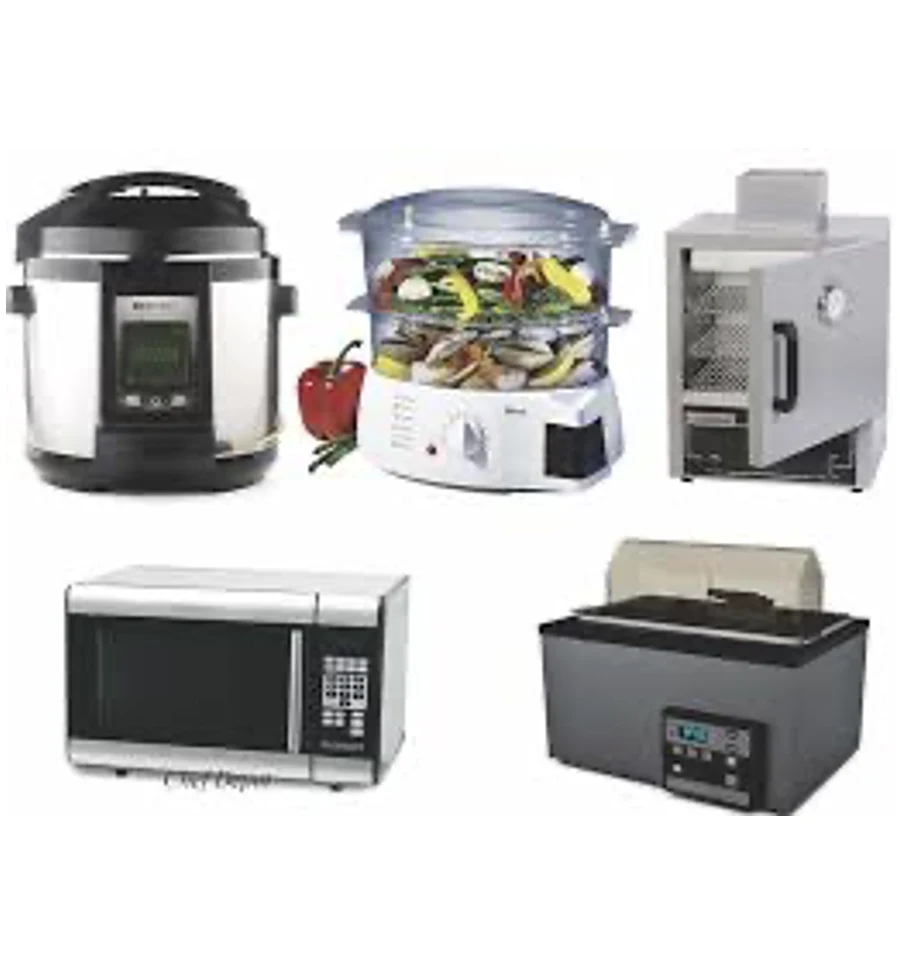
Antigen retrieval techniques have been around for as long as IHC has been. As soon as we tried to attach antibodies to protein-based antigens in the tissue, we soon realized that these proteins have to be “reachable” by the antibodies.
Since most tissues are now fixed with aldehyde-based fixatives that stabilizes tissues by cross-linking proteins, these crosslinks were soon to be found to prevent attachment by masking the epitopes targeted by the antibodies.
Why Dr Shan-Rong Shi of University of Southern California thought of using a microwave oven in his laboratory and throw his slides in it at first, we’re not sure but he certainly revolutionized this technique! Then, other foreign kitchen tools like pressure cookers or rice steamers were introduced in labs to enable this technique which is based on basically, heating a buffer.
The most used solutions for this method are sodium citrate (10 mM, pH 6), EDTA (1 mM, pH 8), and Tris/EDTA (pH 9) with temperatures reaching just below 100 C as boiling tends to damage tissues. Acidic solutions like citrate buffers tend to preserve morphology better while alkaline solutions like EDTA will increase the signal but run the risk of lifting the section from the slide
However, not one protocol or reagent is universally utilized as different proteins may require different approaches. There are also acid solutions that provide antigen retrieval at room temperature. One is HCL 2N, another one is formic acid at 10% concentration. The latter method is recommended when targeting amyloid plaques in Alzheimer’s disease diagnostic and other neurodegenerative diseases.
Commercial “demasking” solutions are offered but one can toy with their own local buffer formulations as antigen retrieval mechanism, as many other histology techniques does not rely on a specific set of hard fast rules. One must still trust the technologists expertise, very much like somebody making a cake. Maybe this is why so many kitchen tools find their way in the hands of lab techs, that certainly are all great cooks!
1. Why are antigen retrieval (AR) techniques necessary in immunohistochemistry?
Because in order for antibodies to bind to antigens, those antigens must be accessible in the tissue. However, certain fixation methods can mask antigenic sites.
2. What effect do aldehyde-based fixatives have on tissues?
They stabilize tissues by creating cross-links between proteins, which masks epitopes and prevents antibody binding.
3. Who introduced the idea of using heat for antigen retrieval, and how?
Dr. Shan-Rong Shi (University of Southern California) introduced the idea of heating slides in a microwave, which revolutionized the technique.
4. Which unexpected household appliances were later used in laboratories for this technique?
Pressure cookers and rice cookers were used to heat antigen retrieval buffers.
5. What buffers are commonly used for antigen retrieval?
Sodium citrate (10 mM, pH 6)
EDTA (1 mM, pH 8)
Tris/EDTA (pH 9)
6. At what temperatures is antigen retrieval generally performed?
At temperatures just below 100°C, because boiling can damage tissues.
7. What is the difference in effect between acidic and alkaline buffers?
Acidic buffers (e.g., citrate) better preserve tissue morphology.
Alkaline buffers (e.g., EDTA) enhance immunohistochemical signal but may cause tissue sections to detach from the slide.
8. Is there a universal antigen retrieval protocol?
No. Each antigen may require a different protocol; there is no single universal method.
9. Which acid-based methods can retrieve antigens at room temperature?
2N HCl
10% formic acid (especially useful for revealing amyloid plaques, such as in Alzheimer’s disease).
10. Why does the choice of AR protocol often depend on the technologist’s expertise?
Because the exact mechanism of antigen unmasking is still not fully understood, so the approach must often be adjusted based on experience—similar to adapting a recipe.


| 470, avenue Laurendeau, Montréal-Est (Quebec) H1B 5M2 | |||
| Phone: | 514 498-3620 | Toll free: | 833 498-3620 |
| Email: | chaptec@chaptec.com | ||

